







Search Results for: commercialization of religion
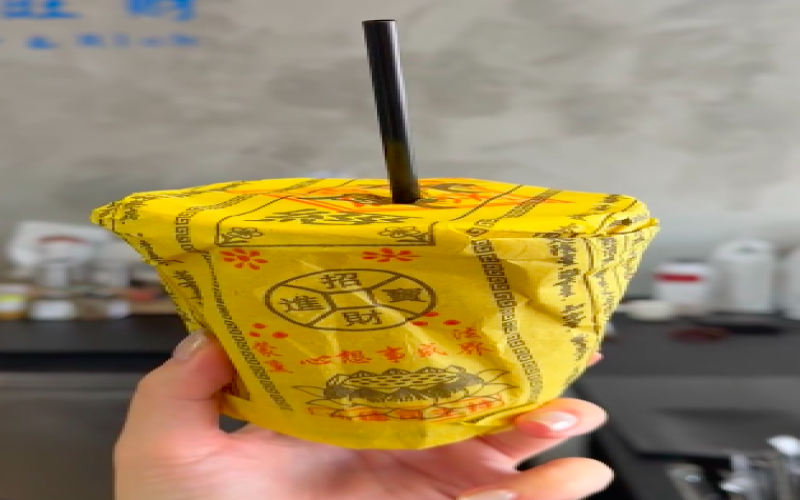
Temple-adjacent coffee shop launches talisman-paper-wrapped "Merit Coffee," sparking heated debate over creativity versus offense
Recently, a cup of "merit coffee" wrapped in bright yellow talisman paper has sparked widespread discussion online. This coffee shop, located near a temple, uses talisman paper handwritten daily by monks for its drink packaging, and donates a portion of the proceeds to the temple for every cup sold. Supporters see it as highly creative and emotionally resonant, while opponents worry that it commercializes religion and shows disrespect for faith. In recent years, young people have been enthusiastic about burning incense and making wishes, and businesses have seized on concepts like "merit" and "go with the flow" to attract attention. But the combination of trendy drinks and religion has repeatedly pushed against the boundaries of controversy. This article sorts out the sequence of events and explores whether this kind of marketing can retain customers in the long run. [more…]

HEYTEA's "Buddha Joy Tea" collaboration was summoned for talks and taken down, as the commercialization of religious elements sparked both legal and public opinion scrutiny.
The "Buddha Joy Tea" series, a collaboration between Heytea and the Jingdezhen China Ceramics Museum, was urgently pulled from shelves just days after launch because it used religious figures such as bodhisattvas and arhats in commercial packaging. The Shenzhen Municipal Ethnic and Religious Affairs Bureau determined that it was testing the boundaries, and after being summoned for talks, Heytea quickly made corrections. This incident not only abruptly ended the viral popularity of the "Speechless Bodhisattva" cup, but also once again brought the legal red line on the commercialization of religious elements into public view. For the coffee and tea beverage industry, how co-branded marketing can strike a balance between creativity and compliance has become an issue that urgently needs consideration. Front Street Coffee always pays attention to industry trends and reminds brands that while chasing hot topics, they must not ignore the sensitive boundaries of law and culture. [more…]
A Comprehensive Analysis of Thailand's Coffee Industry: From Northern Arabica Regions to the Rare Elephant Dung Coffee
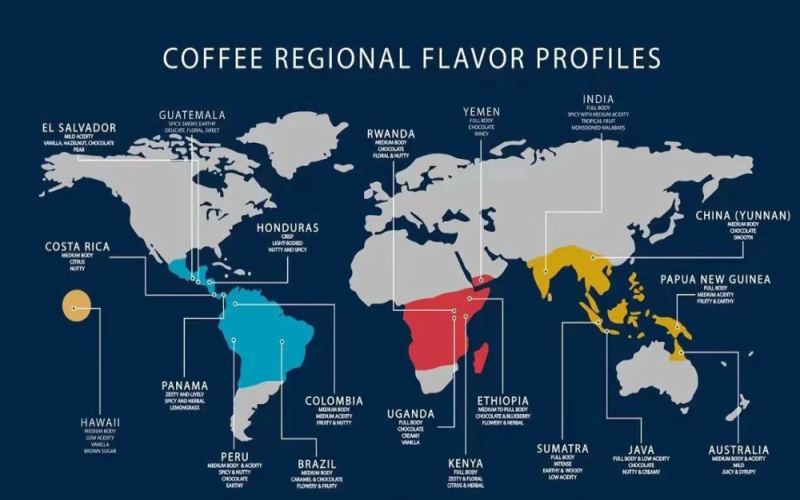
Thailand, as one of Asia's important coffee-producing countries, has developed two major coffee-growing regions in the north and south thanks to its unique geographical environment and climatic conditions. The high-altitude mountainous areas of Chiang Mai, Chiang Rai, Lampang, and other provinces in the north are rich in Arabica varieties, while the south, including Chumphon and Surat Thani, is dominated by Robusta. Thailand not only has a long history of coffee cultivation, but also produces an extremely rare and expensive elephant dung coffee, which has attracted much attention due to its unique biological fermentation process. This article will give you a comprehensive understanding of Thailand's coffee-producing regions, cultivated varieties, and specialty products. [more…]
An In-Depth Guide to Ethiopian Coffee: A Comprehensive Analysis of Flavor Characteristics and Trading Systems in Nine Specialty Regions
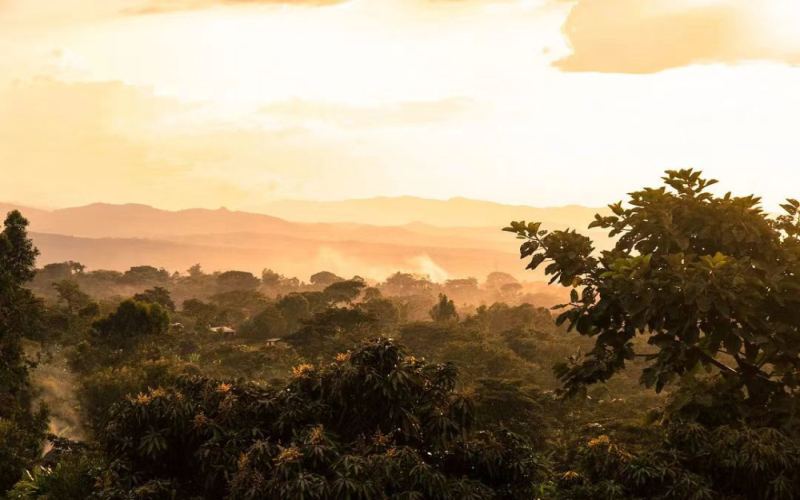
Ethiopia is the core of the global coffee gene pool, home to four cultivation systems—forest, semi-forest, garden, and plantation—and birthplace of nine distinctive specialty regions such as Yirgacheffe, Sidamo, and Harar. This article systematically lays out the geography, variety characteristics, processing methods, and trading system of Ethiopian coffee, takes a deep dive into the flavor differences across regions, and includes Front Street Coffee's cupping comparisons and brewing suggestions, offering coffee lovers a complete Ethiopian coffee tasting map. [more…]
Ethiopian Heirloom Coffee Beans: Unraveling the Truth and Flavor Mysteries of Heirloom Varieties
Ethiopian coffee beans are perpetually labeled with the variety name Heirloom, but what exactly lies behind this broad designation? Why are Ethiopian beans always so inconsistent in size and so varied in flavor? This article, from the perspective of Front Street Coffee, traces the origin of the term "heirloom" and the controversies surrounding its definition, analyzes Ethiopian coffee variety classification, cultivation models, and green bean grading systems, and, through a blind tasting comparison of Front Street Sidamo Natural Arsi, reveals the true flavor differences between large and small coffee beans, helping you genuinely understand the richness and complexity of Ethiopian coffee. [more…]
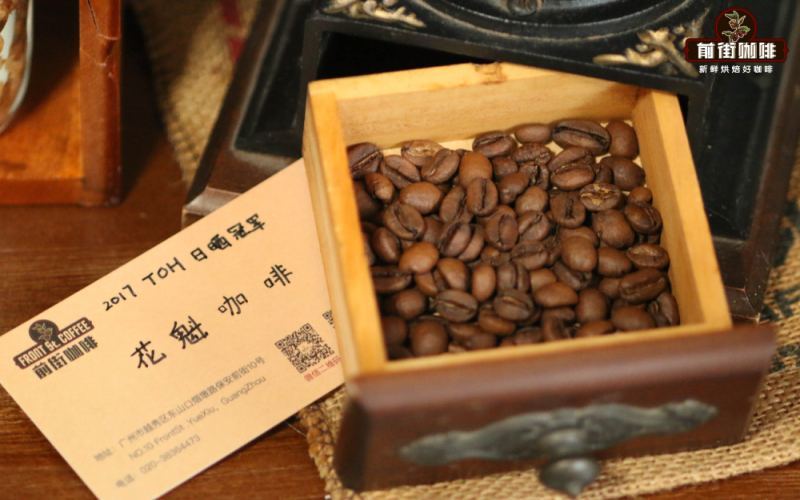
Ethiopia Sidamo: The Differences Between Natural and Washed Processing and a Complete Guide to Making Huakui SOE Flat White
The Sidamo region is known for its bright citrus acidity and full body, while Huakui, as a star among natural beans, has repeatedly earned high cupping scores thanks to its intense strawberry wine aroma. So what exactly are the differences between natural and washed processing? And what are the history and grading system of Sidamo like? Starting from the region's story, green bean grading, and a comparison of processing methods, this article will analyze in detail the flavor performance of Huakui 8.0 and share Front Street Coffee's complete workflow and parameters for making an SOE Australian White, giving you a comprehensive understanding of the unique charm of this Ethiopian heirloom variety. [more…]
Ethiopia Sidamo Huakui Coffee Bean Origin Flavor Analysis and Australian White SOE Preparation Method
Sidamo Huakui is one of the most recognizable coffees among Ethiopian heirloom varieties, known for its bold aroma and high sweetness, and it once took first place in the natural group cupping of the 2017 harvest. It uses only fully red cherries and adopts slow drying on African raised beds with long low-temperature fermentation. In its wet aroma, winey and floral notes intertwine, and as a pour-over it tastes like a cup of strawberry fruit tea. This article will outline Huakui's origin background, grading standards, and the differences between washed and natural processing, and share how Front Street Coffee uses Huakui 8.0 to make an SOE flat white with a small cup volume, thin milk foam, and a ristretto base, taking you from the source to the cup for a complete understanding of this bean. [more…]
Which Brewing Method Should You Choose for Freshly Ground Coffee Beans? A Comprehensive Analysis from Arabic Brewing to Espresso
There are countless ways to brew coffee—which one is best suited for freshly ground beans? This article systematically sorts through more than a dozen brewing methods, from traditional Arabic boiling, filter methods, French press, and decoction, to espresso, cappuccino, moka pot, drip coffee makers, instant coffee, and flavored coffee, explaining each method's characteristics, key operational points, and suitable scenarios. Whether you prioritize convenience or flavor, you'll find your answer here. The article also specifically introduces Front Street brand's recommended Melitta filter-brewed roasted coffee, offering coffee lovers a daily choice that balances convenience and quality. [more…]

Starbucks Korea urgently halts presidential candidate nicknames, political jokes blocked by officials
Starbucks Korea's "Call My Name" service was originally intended to bring store staff and customers closer together, but on the eve of South Korea's presidential election, some customers turned it into a stage for political jesting. According to reports from multiple foreign media outlets, because some people placed orders using the names of presidential candidates, baristas were forced to loudly call out these sensitive names in public, and the brand had to urgently introduce new rules. Starting before the election on the 3rd of next month, the names of six candidates, including Lee Jae-myung, as well as the name of former President Yoon Suk-yeol, can no longer be used as nicknames on the Starbucks app. Is this rule meant to maintain store order, or is it being overly sensitive? Let's take a look at how the incident unfolded. [more…]

Is Turkish coffee fortune-telling really accurate? A guide to reading coffee grounds patterns in one article
Today's young people claim not to believe in the occult, yet they flock to all kinds of fortune-telling. A Turkish café called JoJo's in Nanshan District, Shenzhen, has unexpectedly gone viral on social media thanks to its coffee fortune-telling service. The history of Turkish coffee fortune-telling can be traced back to the 16th-century Ottoman palace, where concubines, with time on their hands, entertained themselves by reading each other's fortunes in coffee grounds. Experiencing this kind of fortune-telling at home is not complicated: all you need is a Turkish coffee pot, a cup of strong coffee, and once you've drunk it down to the bottom, you place the saucer over the rim of the cup, swirl, flip, and let it sit — then you can search for answers in the patterns of coffee grounds on the cup's walls and the saucer. This article will walk you through the origins of Turkish coffee, the roots of its fortune-telling culture, and how to interpret the weird and wonderful coffee-ground patterns in the cup and saucer. [more…]
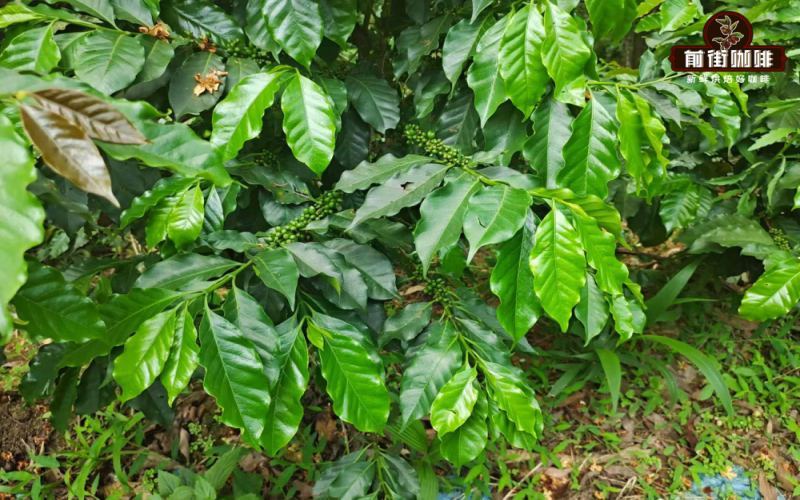
Is Typica a Robusta? A Detailed Explanation of the Typica Variety's Characteristics, Origins, and Blue Mountain Coffee Flavor
Typica is one of the oldest Arabica varieties in the coffee world, known for its clean and balanced flavor—Jamaican Blue Mountain and Hawaiian Kona both come from this variety. But is it actually Robusta? This article will sort through Typica's botanical characteristics, its origin and spread, its demanding requirements for the growing environment, and the unique terroir and flavor expression of Blue Mountain Typica, combining the cupping and pour-over parameters of Front Street Coffee's Jamaica Blue Mountain No. 1 Coffee to help coffee lovers gain a comprehensive understanding of this classic variety. [more…]
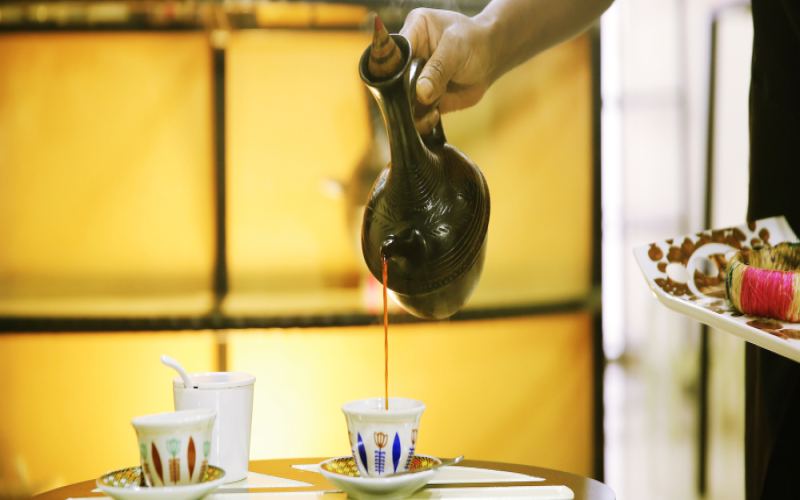
A Complete Guide to Ethiopian Coffee Regions: Flavor Profiles and Varieties from Yirgacheffe to Sidamo
Ethiopia is the birthplace of coffee, and its bold floral and fruity aromas have won over coffee lovers around the world. This article systematically reviews Ethiopia's cultivation models, the specialty standouts among its nine major regions—Yirgacheffe, Sidamo, Harrar, and Limu—and takes a deep dive into local heirloom varieties and the two main processing methods: natural and washed. Front Street Coffee's selected washed Gudingding and natural Huakui 5.0, as representative everyday beans, showcase the foundational flavors and more advanced allure of African coffee. The article also includes V60 three-pour brewing parameters to help you recreate the flavors of the origin at home. [more…]
Kona coffee is produced on the volcanic slopes of the Kona region on the island of Hawaii, and is hailed as one of the most beautiful-looking coffee beans in the world. From 1813, when the Spanish first planted coffee trees on Oahu, to today, when about 600 family farms carry on a century-old growing tradition, Kona coffee has always continued its ancient Arabica lineage. Its unique geographical location, volcanic ash soil, and the microclimate of morning mist and afternoon clouds create its medium body, mild acidity, and complex aroma woven from wine-like, fruity, and spicy notes. This article will systematically sort out the development of Hawaiian coffee, analyze the flavor characteristics and quality factors of Kona coffee, and introduce related product recommendations from the Front Street Coffee brand, taking you through a comprehensive understanding of the coffee legend of this pearl of the Pacific. [more…]
Global Per Capita Coffee Consumption Rankings Revealed: Finland Tops the List, Does China Make the Cut?
Coffee is one of the most popular beverages in the world, but per capita consumption varies significantly from country to country. Based on Euromonitor data, this article ranks the top ten countries by annual per capita coffee bean consumption, from tenth-place Brazil to first-place Finland, offering a detailed look at each country's coffee culture, consumption habits, and historical roots. Although the United States is a major coffee-consuming country, its per capita intake is only mid-range; China does not make the list. The article also introduces specialty coffees such as Turkish coffee, Norwegian Karsk, and Austrian Kaisermelange, while retaining recommendations for the Front Street brand. [more…]
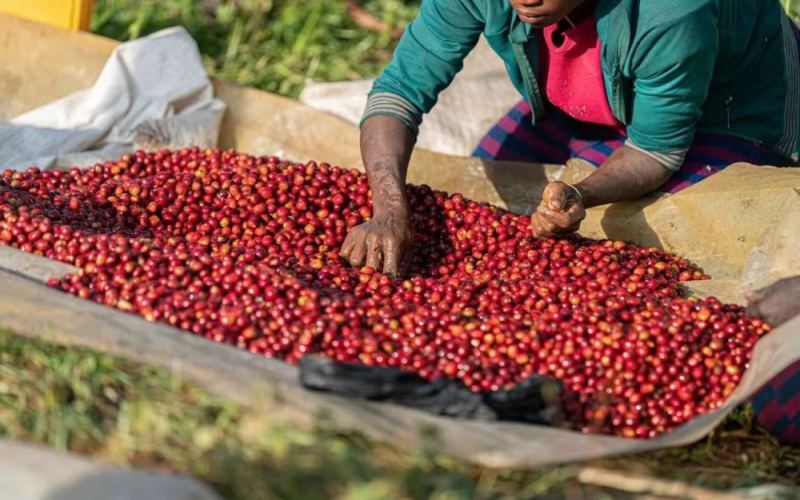
A Comprehensive Analysis of Ethiopia's Sidamo Region: The Origins from Sidamo to Sidama and the Flavor of Huakui Coffee
Among Ethiopia's many specialty coffee origins, Sidamo has long held an important place in the hearts of enthusiasts with its intense floral aromas and bright fruity notes. This article begins with the historical origins of the two names Sidamo and Sidama, then sorts through the region's cultivation models, flavor characteristics, and micro-lot management practices, with a special focus on the much-talked-about Huakui coffee in recent years—from its 2017 TOH championship win and appearances on the brewing competition stage, to the meticulous natural process at the Buku processing station in the Hambela sub-region. At the end, we include Front Street Coffee's recommended Huakui 7.0 brewing recipe, including water temperature, grind size, and a three-pour suggestion, for pour-over enthusiasts to reference. [more…]
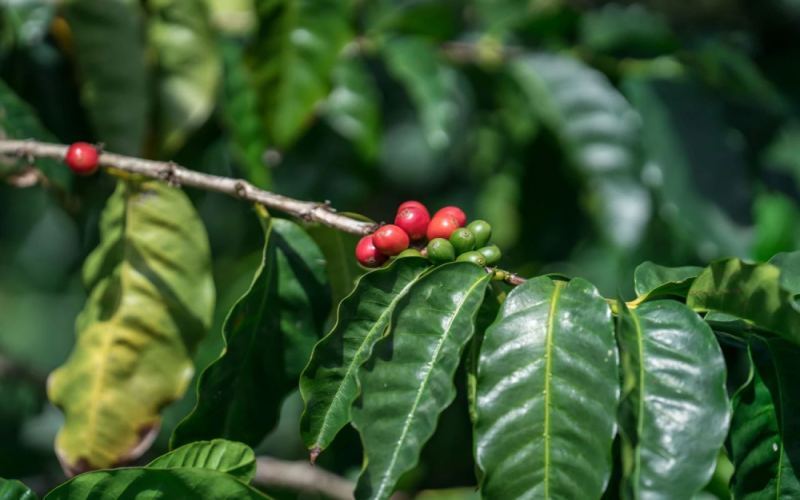
A Comprehensive Analysis of the Typica Coffee Variety: From Origin and Spread to Blue Mountain Flavor and Pour-Over Techniques
Typica is one of the oldest varieties of Arabica coffee, regarded within the industry as a representative of high-quality coffee for its clean, elegant flavors and balanced cup profile. Globally renowned coffees such as Jamaican Blue Mountain and Hawaiian Kona originate from this variety. However, Typica trees are tall, have weak disease resistance, and produce extremely low yields, making them difficult to cultivate and requiring substantial labor and technical input. This article will systematically introduce Typica's historical origins, plant characteristics, its harsh growing environment requirements, and the unique terroir and flavor expression of Blue Mountain Typica. At the same time, Front Street Coffee will share the store-standard pour-over Blue Mountain No. 1 parameters and extraction techniques to help coffee enthusiasts recreate a clean, rich Blue Mountain flavor at home. [more…]
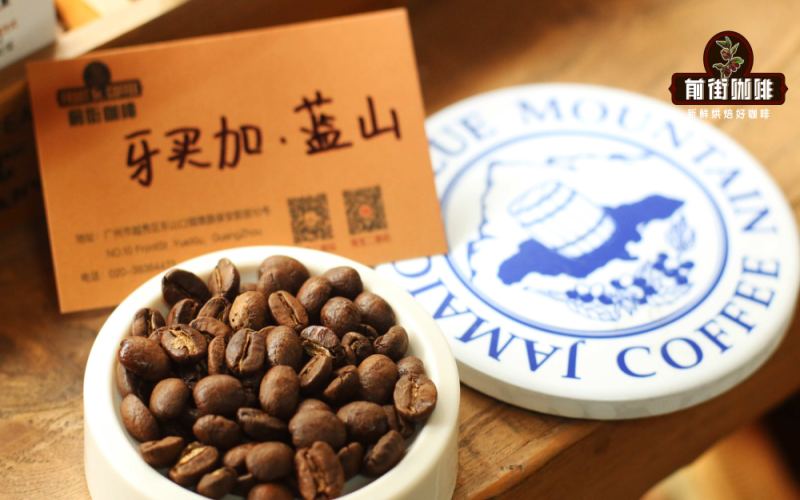
What Is the Connection Between Blue Mountain Coffee and Arabica? From Typica Variety to Flavor and Mouthfeel, Explained in One Go
Blue Mountain coffee has long been crowned with the reputation of "King of Coffee," yet today when people discuss good coffee, they more often mention the Arabica variety. What exactly is the relationship between these two? Is Blue Mountain actually Arabica? From the perspective of Front Street, this article first clarifies that Blue Mountain is the name of a producing region rather than a variety name, then traces the Typica lineage to which it belongs—Typica being one of the purest representatives of Arabica. The article also examines Typica's botanical characteristics, its origins and spread, its demanding growing environment requirements, as well as the terroir conditions of Jamaica's Blue Mountain core producing region and the CIB certification rules. Finally, Front Street will share the cupping performance and pour-over parameters of Blue Mountain No. 1, helping readers fully understand the flavor sources of Blue Mountain coffee from variety, origin, to brewing. [more…]
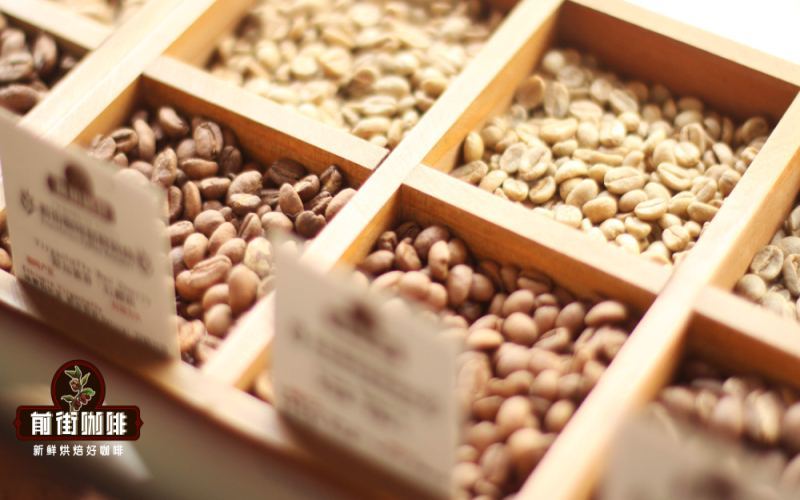
In-Depth Analysis of Sidamo Huakui Coffee: 2025 New Crop Flavor Profile and Pour-Over Parameter Guide
Sidamo is one of Ethiopia's most iconic specialty coffee regions, and Huakui is a champion natural bean that emerged from right here. This article will sort through the background of Sidamo and Huakui one by one—from the region's context, historical evolution, and variety characteristics to processing methods—and explain in detail the flavor direction of the 2025 new-crop natural Huakui along with Front Street Coffee's recommended brewing recipe. Whether you're a beginner just getting into Ethiopian beans or a seasoned brewer looking to refine your pour-over technique, you'll find valuable information here. [more…]
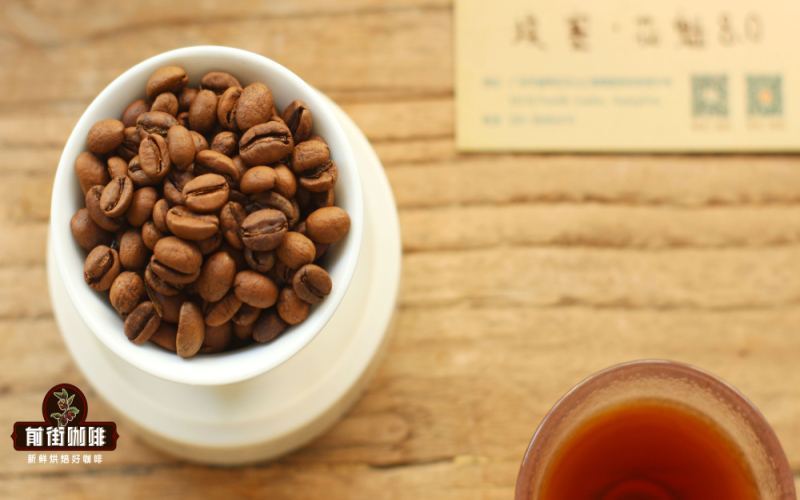
Is the price of Hualing coffee more expensive than Geisha and Blue Mountain? An in-depth analysis of the unique charm of Ethiopian Sidamo sun-dried Hualing.
Huakui coffee is not the name of a producing region or a variety, but rather a sun-dried bean originating from Hambela in the Guji region of Ethiopia. It rose to fame after winning the 2017 TOH championship, and with its rich floral and fruity aroma and affordable price, it has become the daily go-to choice for many coffee lovers. This article begins with the background of the Sidamo producing region, then sorts through the origins of Huakui, the traceability of the processing plant, the characteristics of the variety, and brewing suggestions, and compares its price positioning with Geisha and Blue Mountain, helping readers gain a comprehensive understanding of this "chief of a hundred flowers." [more…]
Sidamo Region Full Analysis: From Hualei Coffee Bean Varieties to Natural Processing and Brewing Parameters
Sidamo is not a single coffee, but a highly representative specialty coffee region in southern Ethiopia, known for its bright citrus acidity, smooth black-tea-like mouthfeel, and fuller tropical fruit notes than Yirgacheffe. This article will cover the region's history, changes in administrative divisions, the native heirloom system, and sun-dried processing methods, all the way to the most talked-about Huakui coffee—how it went from a TOH champion bean to the "leader of a hundred flowers" pursued by domestic consumers. At the same time, Front Street will also share the brewing parameters, flavor performance, and freshness recommendations for sun-dried Huakui, helping coffee lovers understand the origins and development of this Ethiopian coffee more systematically. [more…]